
Different entrances around Central Square.
Along Massachusetts Avenue, the entrance to a shop may sit beside a door leading to homes or offices above. Start by identifying which opening needs attention.
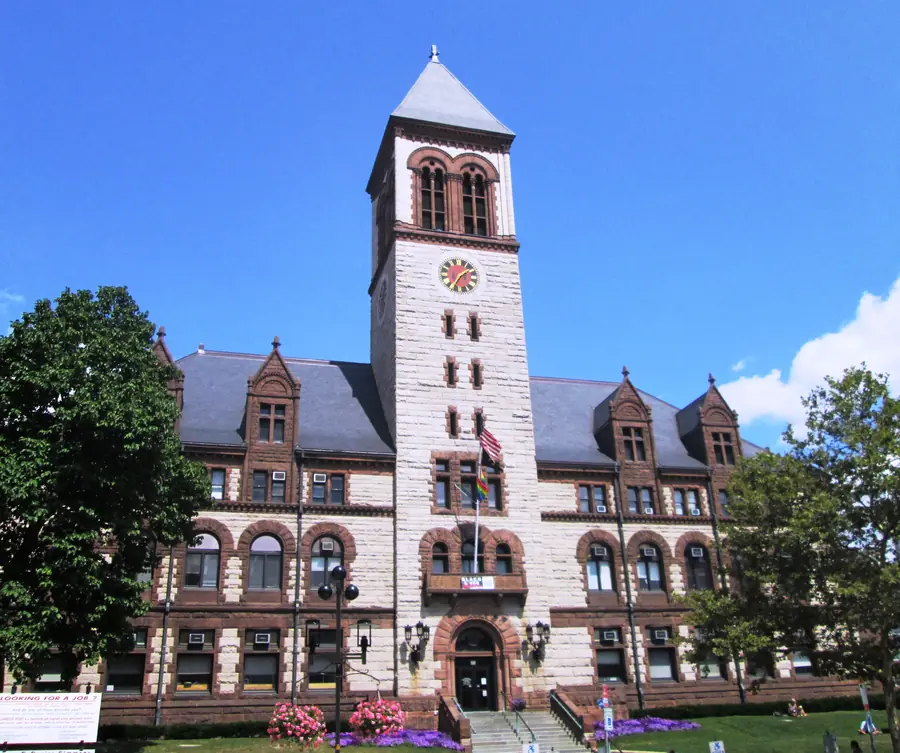
From City Hall to the station
The city describes Central Square as a mixed-use district with civic buildings, shops, offices and nearby residential neighborhoods. City Hall or the station can help explain your location, but include the street number and the correct side or entrance. LockReach does not have a claimed office at those landmarks.
A shop door that no longer catches
Describe whether the customer door closes, whether the latch engages and what happens when you turn the key. If a separate staff or delivery entrance is involved, say so. A lock repair request should explain the symptom before choosing a replacement product. The door and installed hardware need assessment together.
An upstairs unit with a separate key
If the street entrance opens but the apartment or office door does not, explain the distinction. Contact the owner or manager about shared hardware and authorization. A common key arrangement may affect more than your own door, so planned rekeying should account for who controls each opening.
Arrange the work around the actual problem
For planned work, list the affected doors and have a person available to approve the scope. For a lockout, provide your current location and explain where the key is. Confirm availability and the estimate by phone; being close to the square does not establish an arrival time.
For this situation.
What if the building number leads to two entrances?
Describe the one you use: for example, the shop door or the separate upstairs entrance. Add the unit and responsible property contact where relevant.
Should I include a staff door in a shop rekey request?
Include every opening you want considered and explain whether its key is shared with other doors. The agreed scope should name the doors being changed.